.svg)
.svg)
.svg)
.svg)

Key takeaways
- 1
Stigma around mental health can keep people from seeking the help they need.
- 2
Addiction and mental health conditions are medical issues, not moral failings.
- 3
Open, compassionate conversation reduces shame and encourages help-seeking.
- 4
Dual diagnosis care treats addiction and mental health together.
- 5
Language matters, and person-first, non-judgmental words help break the stigma.
Why Stigma Is So Harmful
Stigma convinces people that struggling with mental health or addiction is a personal failing rather than a health condition. That shame can be paralyzing, leading people to hide their struggles, delay treatment, or avoid it altogether. In a YMYL context like behavioral health, this silence can have serious consequences. Naming and challenging stigma is itself part of the work of recovery.
These Are Medical Conditions
Addiction and mental health conditions are exactly that, conditions, with biological, psychological, and environmental roots. They are not signs of weakness or a lack of willpower. Framing them accurately, as health issues that deserve compassionate, professional care, helps dismantle the shame that keeps people stuck.
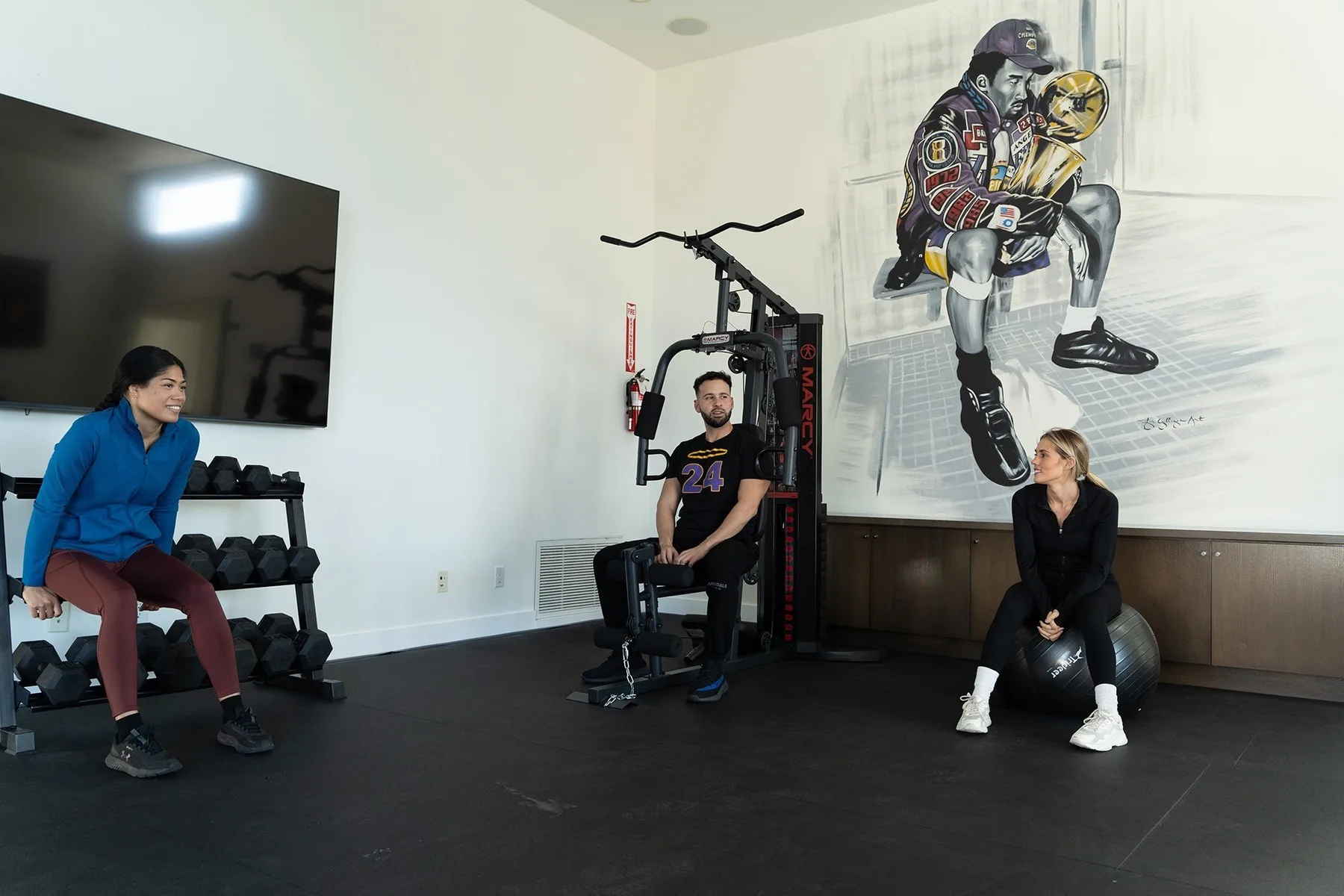
The Power of Open Conversation
When people feel safe talking about mental health, everything changes. Open conversation normalizes seeking help, reminds people they are not alone, and chips away at the isolation that fuels both addiction and mental health struggles. Whether with a therapist, a support group, or trusted people in our lives, honest dialogue is healing in itself.
Treating Mental Health and Addiction Together
Many people in recovery are dealing with both a substance use disorder and a co-occurring mental health condition like anxiety, depression, or trauma. Dual diagnosis care addresses both at the same time, recognizing how deeply they are connected. Treating one while ignoring the other rarely works; integrated care gives people the best chance at lasting recovery.

The Role of Language
The words we use shape how people feel about themselves. Person-first, non-judgmental language, talking about a person experiencing addiction rather than defining them by it, reflects dignity and respect. Small shifts in language help replace shame with compassion, both in how we speak to others and how people speak to themselves.
Moving Forward Together
Breaking the stigma is a shared effort. By talking openly, framing these conditions accurately, and meeting people with compassion, we help create a culture where seeking help feels possible. At Bliss Recovery, that compassionate, judgment-free approach is part of how we support people through both addiction and mental health challenges.
Questions, answered
What should I know about breaking the stigma?
Stigma around mental health can keep people from seeking the help they need.
Does Bliss Recovery offer treatment for this?
Bliss Recovery provides personalized, evidence-based care in a private Hollywood Hills setting, with a full continuum from medical detox through residential treatment and PHP/IOP. Our admissions team can help you find the right level of care.
How do I get started or verify my coverage?
You can verify your insurance confidentially with no obligation, or reach our admissions team directly. We will walk you through the next steps and help you understand your options.