.svg)
.svg)
.svg)
.svg)

Depression
Depression is among the most frequently co-occurring conditions with SUDs. Integrated treatment addresses the neurochemical overlap that drives both the mood disorder and the substance use.
Learn more
Most people with a substance use disorder also have at least one co-occurring mental health condition. At Bliss Recovery, both are treated together — by one clinical team, from the first day of admission.

Co-occurring disorders — also called dual diagnosis — describes the simultaneous presence of a substance use disorder (SUD) and one or more mental health conditions. Depression, anxiety, PTSD, bipolar disorder, OCD, borderline personality disorder, schizophrenia, and ADHD are among the most common psychiatric conditions that develop alongside or in response to substance use.
The relationship is bidirectional: mental health conditions can drive self-medication with alcohol or drugs, while chronic substance use can trigger or worsen underlying psychiatric symptoms. Treating addiction without addressing co-occurring conditions leaves the root causes of substance use unresolved — and significantly increases the risk of relapse.
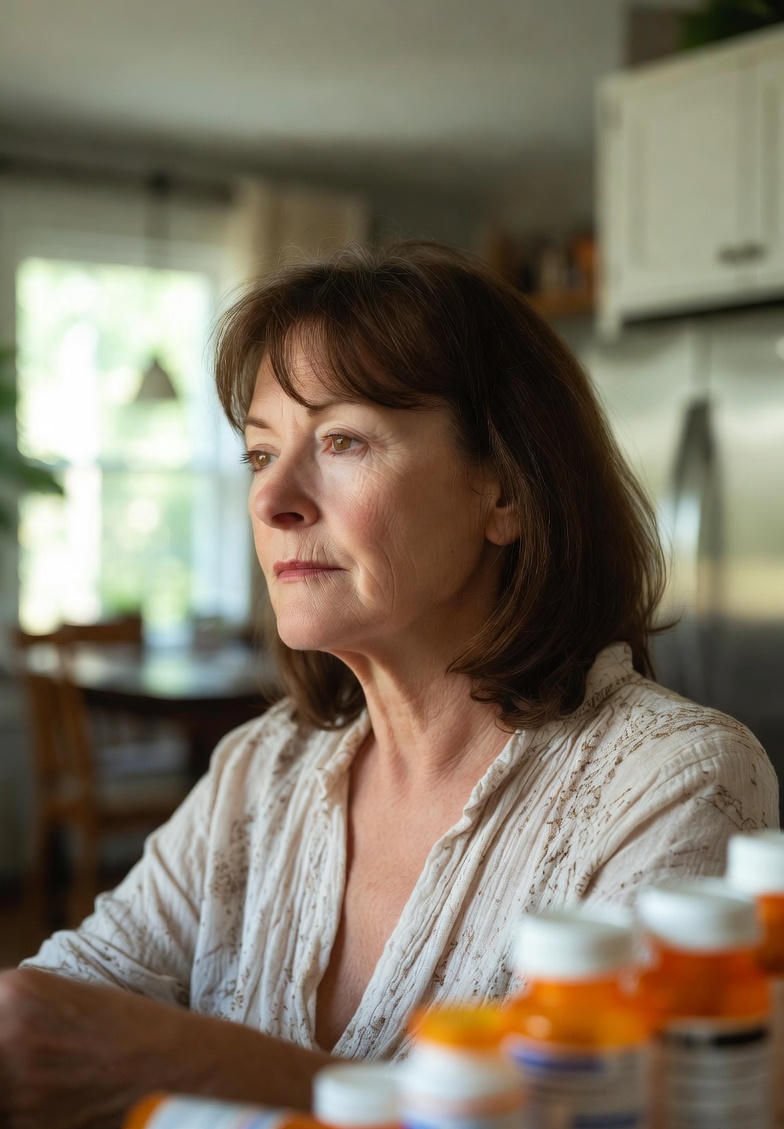
Many people enter treatment for substance use without realizing they also have a co-occurring mental health condition. These signs often indicate that both conditions are present and that integrated dual diagnosis treatment is appropriate.
Depression and alcohol use disorder are among the most prevalent co-occurring combinations. Alcohol is frequently used to blunt depressive symptoms, creating a cycle where each condition worsens the other. Integrated treatment addresses both the neurochemical underpinnings of depression and the physical and psychological dimensions of alcohol dependence simultaneously.
Depression treatmentChronic anxiety is the most common driver of benzodiazepine misuse. Medications prescribed to manage anxiety can become a source of physical and psychological dependence over time — and withdrawal from benzodiazepines can dramatically worsen anxiety. Our medically supervised taper manages both the physical detox and the underlying anxiety disorder.
Benzodiazepine treatmentTrauma survivors frequently turn to alcohol or stimulants to suppress hypervigilance, intrusive memories, and emotional dysregulation. At Bliss Recovery, EMDR and Brainspotting are integrated directly into the treatment plan — addressing the root traumatic experience while managing the physical reality of substance dependence.
PTSD treatmentBipolar disorder carries one of the highest rates of co-occurring substance use of any psychiatric diagnosis. Cannabis and alcohol are commonly used to self-regulate mood episodes. Treatment requires mood stabilization alongside addiction care — with psychiatric oversight throughout the full residential stay.
Bipolar treatmentDepression is among the most frequently co-occurring conditions with SUDs. Integrated treatment addresses the neurochemical overlap that drives both the mood disorder and the substance use.
Learn more
Trauma and addiction are deeply interlinked. Our trauma-informed care includes EMDR and Brainspotting alongside medically supervised detox to address both dimensions simultaneously.
Learn more
Anxiety disorders are a primary driver of self-medication with alcohol and benzodiazepines. Treating anxiety without addressing substance dependence leaves both conditions unresolved.
Learn more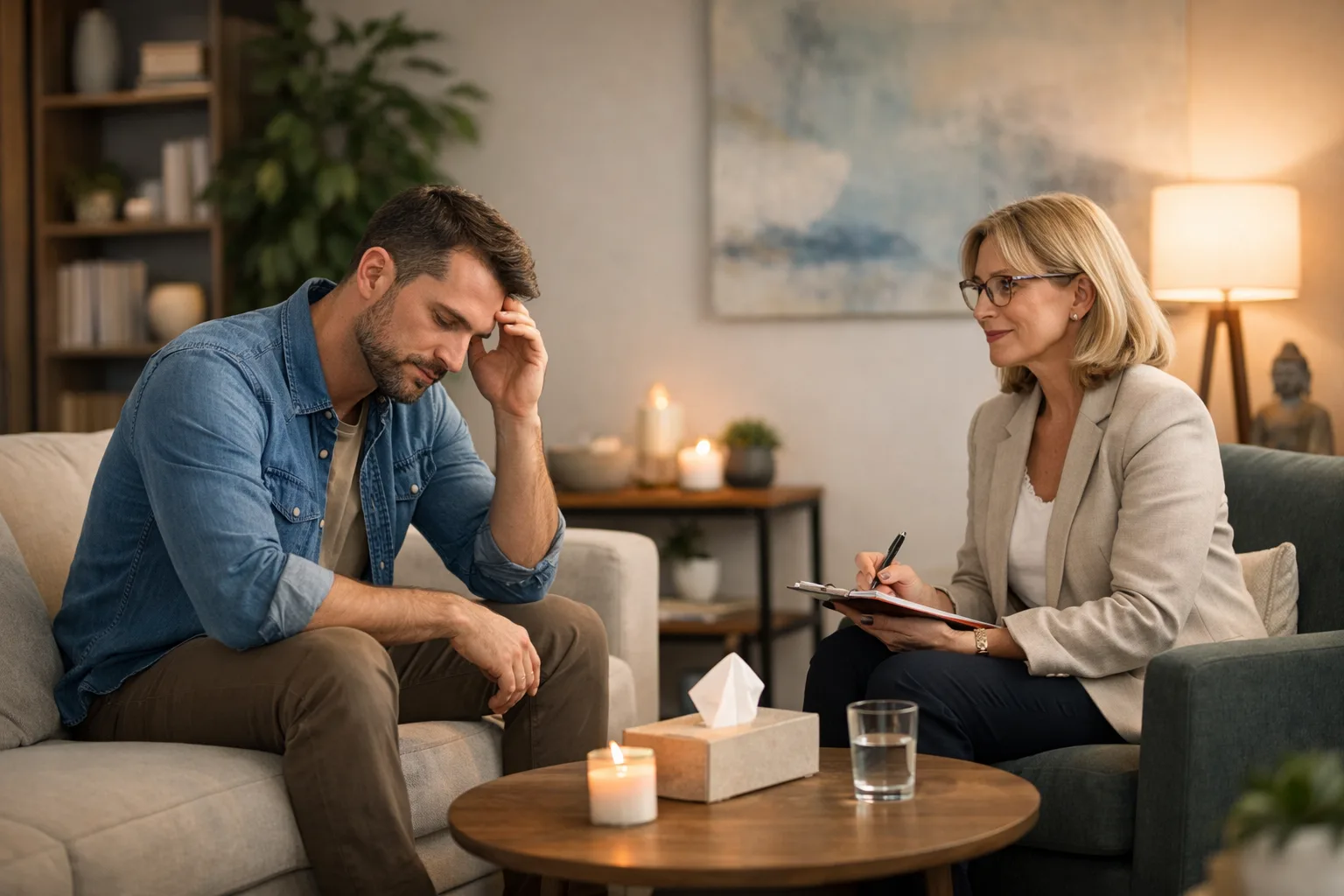
Obsessive-compulsive disorder and SUDs share common neurological pathways. Ritual behavior and compulsive substance use both respond to CBT-based approaches with psychiatric oversight.
Learn more
Bipolar disorder carries one of the highest rates of co-occurring SUD of any psychiatric diagnosis. Mood stabilization is integrated into every phase of the treatment plan.
Learn more
DBT — the gold standard for BPD — is also highly effective for the emotional dysregulation that drives substance misuse. It anchors both the personality and addiction components of care.
Learn more
Schizophrenia and substance use require specialized dual diagnosis care with close psychiatric oversight, consistent medication management, and structured residential support.
Learn more
ADHD and stimulant misuse are strongly correlated. Evidence-based treatment addresses impulsivity, executive function challenges, and the self-medication cycle driving substance use.
Learn more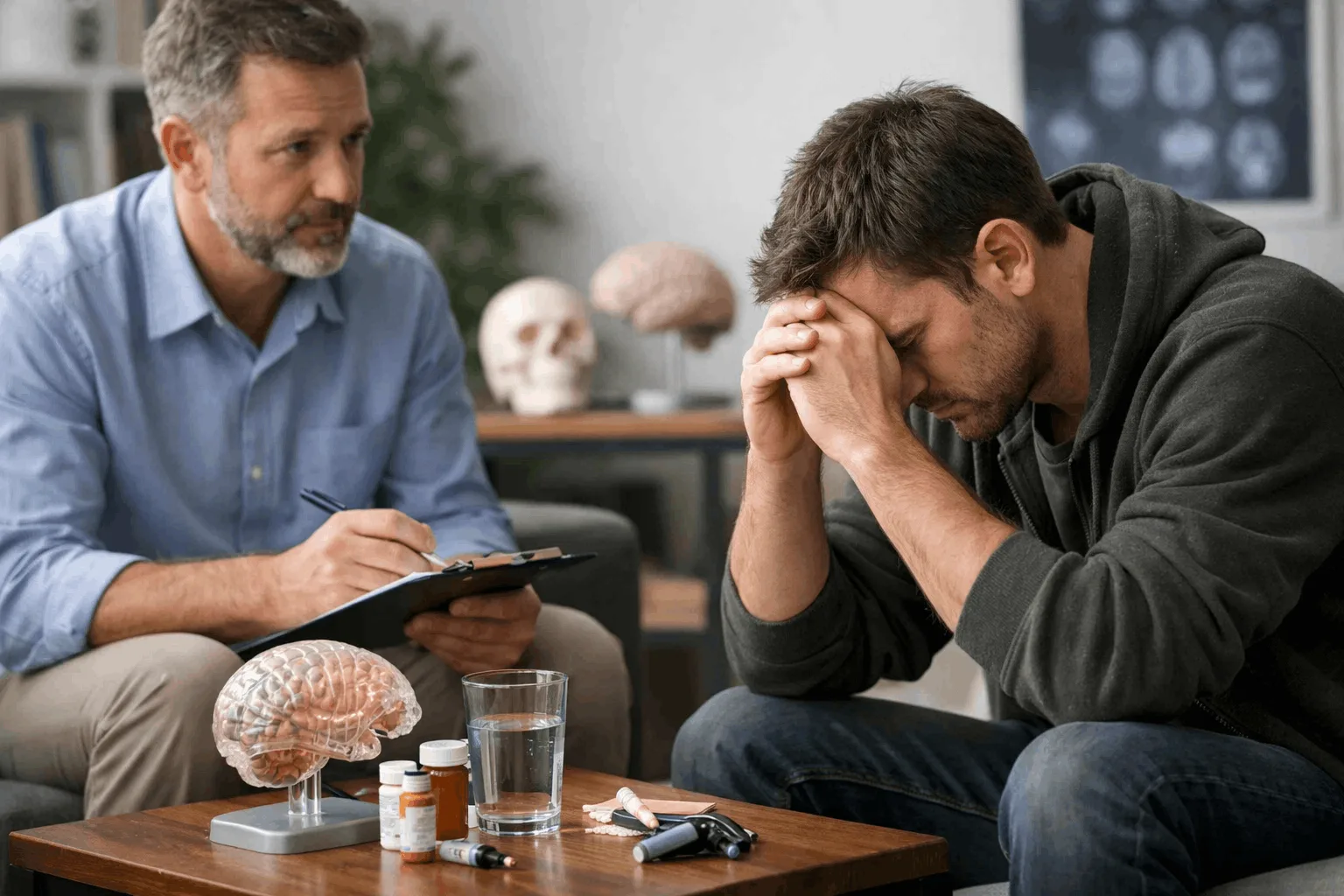
CBT, DBT, EMDR, and Brainspotting are delivered in individual and group formats with direct focus on both the psychiatric condition and the substance use disorder. Therapy sessions address the underlying drivers of addiction and the symptoms of the co-occurring condition — not one at the expense of the other.
A psychiatrist reviews and manages all medications throughout residential treatment — adjusting protocols based on clinical response, withdrawal needs, and co-occurring psychiatric stability. No medication decision is made in isolation from the full treatment picture.
Mindfulness, yoga, nutrition, and activity-based therapies support nervous system regulation and build the daily structure that sustains both mental health and sobriety. Outdoor therapeutic activities at our Hollywood Hills location are incorporated throughout the residential stay.

Recovery extends beyond residential treatment. Alumni programming, step-down PHP/IOP, and peer connection provide the structure and accountability that sustain long-term outcomes for dual diagnosis clients during the most vulnerable period of recovery.

You don't have to manage a mental health condition and a substance use disorder alone. Our clinical team is available around the clock — confidentially, and without pressure — to guide you toward lasting recovery.
If your question isn't answered here, call (323) 798-4411 to speak with our admissions team day or night.
A co-occurring disorder — also called dual diagnosis — is the simultaneous presence of a substance use disorder (SUD) and one or more mental health conditions such as depression, anxiety, PTSD, or bipolar disorder. Both conditions must be diagnosed and treated at the same time by the same clinical team. Treating one without the other leaves the root causes of substance use unresolved and significantly increases the risk of relapse.
Very common. According to SAMHSA's National Survey on Drug Use and Health, more than half of people with a substance use disorder also meet criteria for at least one mental health condition. Among people seeking residential treatment, the rate is even higher. At Bliss Recovery, every admission includes comprehensive psychiatric screening — many clients receive a clearer clinical picture of their mental health for the first time during intake.
Because they are clinically inseparable in most cases. Mental health conditions often drive self-medication with alcohol or drugs; chronic substance use, in turn, worsens psychiatric symptoms. Treating addiction alone without addressing the underlying mental health condition leaves the primary driver of substance use in place. NIDA's clinical guidelines and ASAM's evidence-based practice standards both endorse integrated dual diagnosis treatment — both conditions addressed simultaneously, by the same team — as the standard of care.
Bliss Recovery treats depression, PTSD, anxiety disorders, OCD, bipolar disorder, borderline personality disorder, schizophrenia, and ADHD as co-occurring conditions within our residential dual diagnosis program. Every treatment plan is individualized — some clients arrive with a confirmed psychiatric diagnosis, others are assessed during intake and receive a clinical picture of their mental health needs for the first time.
Yes. We're in-network with HealthSmart, MultiPlan, PMCS, and TriWest, and most major PPO insurance plans cover residential dual diagnosis treatment on an out-of-network basis. Our admissions team verifies your benefits quickly and confidentially — most verifications are completed same day. Private pay is also available. Call (323) 798-4411 or use our online insurance verification to begin.
Treatment begins with a comprehensive clinical and psychiatric assessment at intake. A licensed treatment team — which includes a psychiatrist, addiction specialist, and licensed therapists — designs a single integrated treatment plan that addresses both the substance use disorder and any co-occurring mental health conditions simultaneously. Therapy is five sessions per week minimum, covering CBT, DBT, EMDR, Brainspotting, and motivational interviewing. Medication is reviewed and managed by a psychiatrist throughout the residential stay. Holistic programming — mindfulness, yoga, nutrition, therapeutic activities — supports nervous system regulation and daily structure. Step-down PHP/IOP continues care after residential discharge.
Co-occurring disorders reinforce each other. We treat both simultaneously — with psychiatric support, therapy, and medication management.