.svg)
.svg)
.svg)
.svg)
Mental Health & Dual Diagnosis

Why Treating Only the Addiction Doesn't Work
Treating addiction without addressing co-occurring mental health conditions leaves the core driver of use untouched. Here is why integrated care works when single-focus treatment doesn't.

Anxiety and Addiction: How Self-Medication Fuels the Cycle
Anxiety drives substance use. Substance use worsens anxiety. Here is how the self-medication cycle works — and how integrated treatment breaks it.
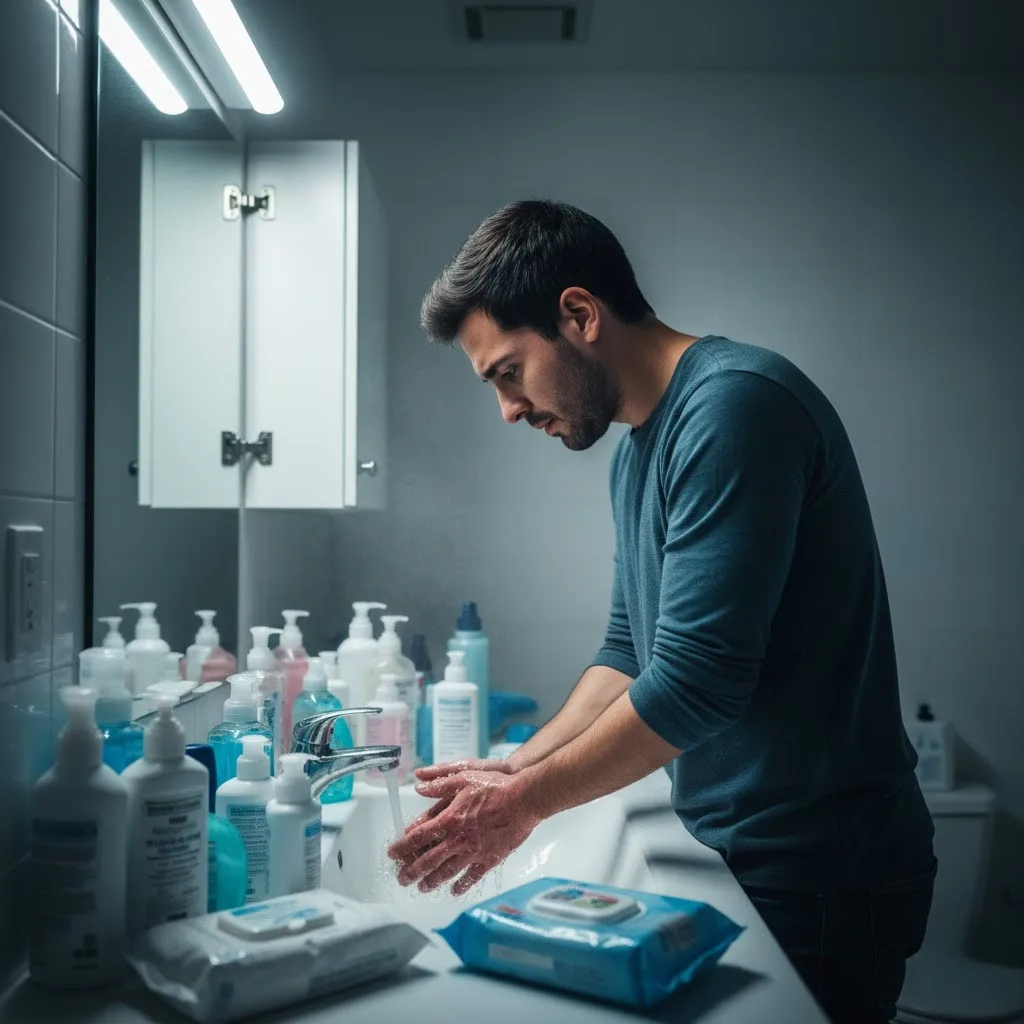
OCD and Addiction: How Compulsions and Use Reinforce Each Other
OCD and addiction share compulsive behavioral patterns and frequently co-occur. Here is how they reinforce each other — and what integrated treatment looks like.

How to Tell When a Loved One Needs Rehab
Watching someone struggle with drugs or alcohol is exhausting and confusing. Here is how to recognize when rehab is necessary — and what to do about it.

Depression and Substance Abuse: The Dual Diagnosis Link
Depression and addiction frequently occur together and fuel each other. Here is how the dual diagnosis cycle works — and what integrated treatment looks like.

ADHD and Substance Use in Adults
ADHD significantly increases the risk of substance use disorder in adults — and is frequently missed in addiction treatment. Here is why it matters and how it is treated.

Schizophrenia & Substance Use: Telling Them Apart
Psychosis caused by schizophrenia and psychosis caused by substance use can look identical. Here is how clinicians tell them apart — and why it matters for treatment.

Bipolar Disorder & Addiction: Managing Mood in Recovery
Bipolar disorder and addiction are among the most challenging co-occurring conditions to treat. Here is why integrated care matters — and how recovery actually works.

Personality Disorders & Addiction: Dual Diagnosis Care
Personality disorders and addiction frequently occur together — and treating just one rarely works. Here is what effective dual diagnosis care looks like for both.

Trauma & PTSD in Addiction Recovery
Up to 75% of people in addiction treatment have experienced trauma. Here is why trauma-informed care is not optional — and what it actually looks like in practice.

How to Help When a Loved One Refuses Rehab
When someone you love won't accept treatment, it doesn't mean recovery is impossible. Learn what to do when they keep saying no — and how to protect yourself.

From Yoga to Equine Therapy: Alternative Healing at Luxury Rehabs
Holistic healing approaches in luxury rehab — how complementary therapies work alongside clinical care to support whole-person recovery.

Understanding the Impact of Alcohol on Mental Health
How alcohol affects mood, cognition, and mental health over time — and why integrated dual diagnosis treatment is essential for lasting recovery.

The Role of Therapy in Addiction Recovery
How individual therapy, group therapy, and evidence-based modalities work together in addiction recovery — and what makes treatment effective.
Breaking the Stigma: Talking About Mental Health in Recovery
Why mental health stigma creates barriers to recovery — and how honest, open conversations about co-occurring conditions improve outcomes.
Why We Treat Addiction and Mental Health as One Diagnosis
We do not treat addiction and then, separately, treat the anxiety or depression underneath it. We treat both as one condition from intake. Here is why that matters clinically.
Knowledge that supports recovery.
Our clinical team writes to inform — about treatment options, family support, and what real recovery looks like. No jargon.