.svg)
.svg)
.svg)
.svg)
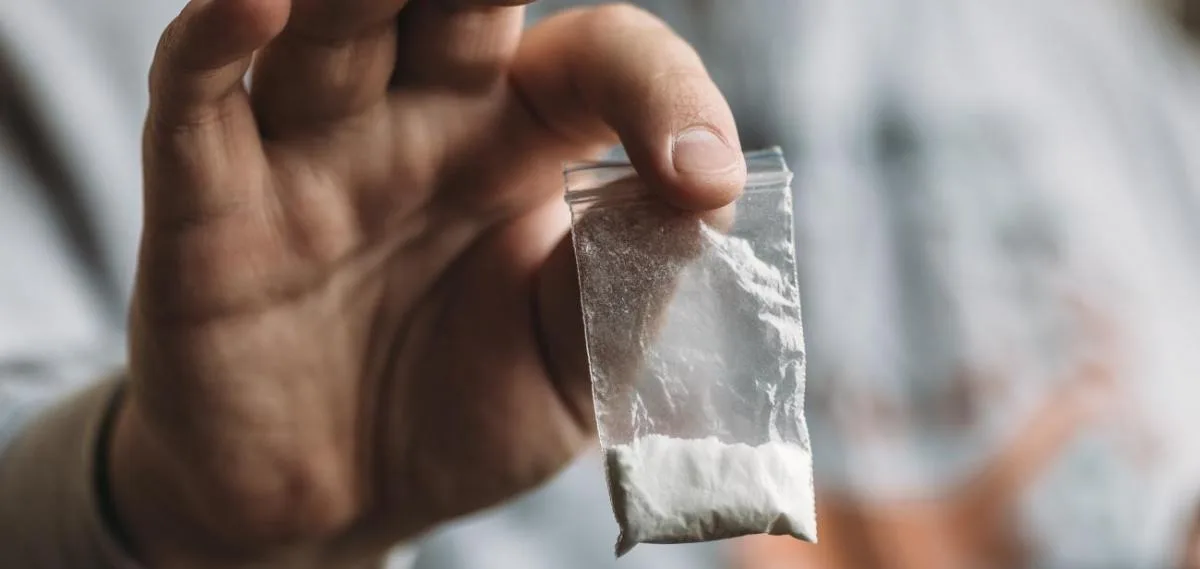
Common Cocaine Withdrawal Symptoms
Withdrawal from cocaine can manifest in various ways, including physical and psychological symptoms.
Physical Symptoms
Fatigue and lethargy; increased appetite; restlessness and agitation; muscle aches and pains; tremors and shakes; vivid dreams or nightmares.
Psychological Symptoms
Depression and anxiety; irritability and mood swings; difficulty concentrating; cravings for cocaine; paranoia and hallucinations; suicidal thoughts or behaviors.
Duration and Severity of Withdrawal
The duration and severity of cocaine withdrawal can vary depending on factors such as the individual level of dependence, frequency of use, and overall health. Short-term withdrawal symptoms typically peak within the first few days after discontinuing cocaine use and may last for up to two weeks. Some individuals may experience protracted withdrawal symptoms, also known as post-acute withdrawal syndrome (PAWS), which can persist for weeks or months after quitting cocaine.
Understanding Cocaine Addiction
Cocaine addiction is a complex condition that involves physical dependence, psychological cravings, and compulsive drug-seeking behavior. Various factors can contribute to the development of cocaine addiction, including genetic predisposition, environmental influences, and underlying mental health issues. Cocaine affects the brain reward system by increasing the levels of dopamine, a neurotransmitter associated with pleasure and motivation. Over time, repeated cocaine use can lead to changes in brain chemistry, making it difficult for individuals to experience pleasure without the drug.
Importance of Seeking Help from Rehab Centers
Rehabilitation centers play a crucial role in helping individuals overcome cocaine addiction and manage withdrawal symptoms effectively. Rehab centers offer professional guidance and support from trained medical professionals, therapists, and counselors who specialize in addiction treatment. They provide a safe and structured environment where individuals can focus on their recovery without the distractions and triggers of their everyday lives.
Types of Rehab Programs for Cocaine Addiction
There are various types of rehab programs available, including inpatient and outpatient options. Inpatient rehabilitation programs require individuals to reside at the treatment facility for the duration of their treatment, typically for an individualized length, offering intensive therapy, medical supervision, and 24/7 support. Outpatient rehabilitation programs allow individuals to attend therapy and treatment sessions while living at home, suitable for those with milder addiction.

Holistic Approaches to Cocaine Withdrawal Treatment
Rehabilitation centers often employ holistic approaches addressing the physical, psychological, and emotional aspects of addiction. Behavioral therapies, such as cognitive-behavioral therapy (CBT) and dialectical behavior therapy (DBT), help individuals identify and change negative thought patterns and behaviors. Medication-assisted treatment (MAT) may be used to help manage withdrawal symptoms and cravings.
Support Systems in Rehab Centers
Individual counseling sessions provide a safe space to explore thoughts, feelings, and experiences related to addiction. Group therapy sessions allow individuals to connect with peers facing similar challenges, providing a sense of community and understanding.
Aftercare and Relapse Prevention
Follow-up care may include ongoing therapy, support group meetings, and regular check-ins with a healthcare provider. Making positive lifestyle changes, such as adopting a healthy diet, exercising regularly, and practicing stress-reduction techniques, can help individuals maintain sobriety and prevent relapse.
Conclusion
Cocaine withdrawal can be a challenging and uncomfortable process, but with the support and guidance of rehab centers such as Bliss Recovery, individuals can successfully overcome addiction and reclaim their lives. By addressing the physical, psychological, and emotional aspects of addiction, rehab programs offer a holistic approach to treatment that empowers individuals to achieve long-term sobriety and well-being.
Questions, answered
What should I know about cocaine withdrawal symptoms and how rehab centers can help?
Cocaine withdrawal refers to the physical and psychological symptoms experienced when a person reduces or stops using cocaine after a period of regular use.
Does Bliss Recovery offer treatment for this?
Bliss Recovery provides personalized, evidence-based care in a private Hollywood Hills setting, with a full continuum from medical detox through residential treatment and PHP/IOP. Our admissions team can help you find the right level of care.
How do I get started or verify my coverage?
You can verify your insurance confidentially with no obligation, or reach our admissions team directly. We will walk you through the next steps and help you understand your options.