.svg)
.svg)
.svg)
.svg)

Key takeaways
- 1
Bliss Recovery operates two adjacent residences in the Hollywood Hills with a single shared clinical team.
- 2
The continuum runs from medical detox through residential, PHP, IOP, and structured aftercare — without a handoff in providers.
- 3
Psychiatric assessment and dual diagnosis treatment begin at intake.
- 4
Ideal referral candidates include complex dual diagnosis presentations, clients with prior treatment history, and those who require genuine privacy.
- 5
Clinical consultation before admission is available directly through our clinical director.
The Clinical Structure at a Glance
Bliss Recovery operates two private residential properties in the Hollywood Hills of Los Angeles. Both facilities are served by the same clinical team — physicians, therapists, psychiatrists, nurses — regardless of which property the client is in. Movement between properties as clinical needs change (for example, from detox to residential treatment) occurs without a change in care providers.
The maximum client census across both properties is 12 — six per residence. This is not a marketing claim. It is a clinical decision. The staff-to-client ratio that 12 clients allows — with a full complement of clinical, medical, and support staff — is what makes the level of individualization we describe possible. Larger populations require more standardized programming. Smaller populations allow genuine individualization.
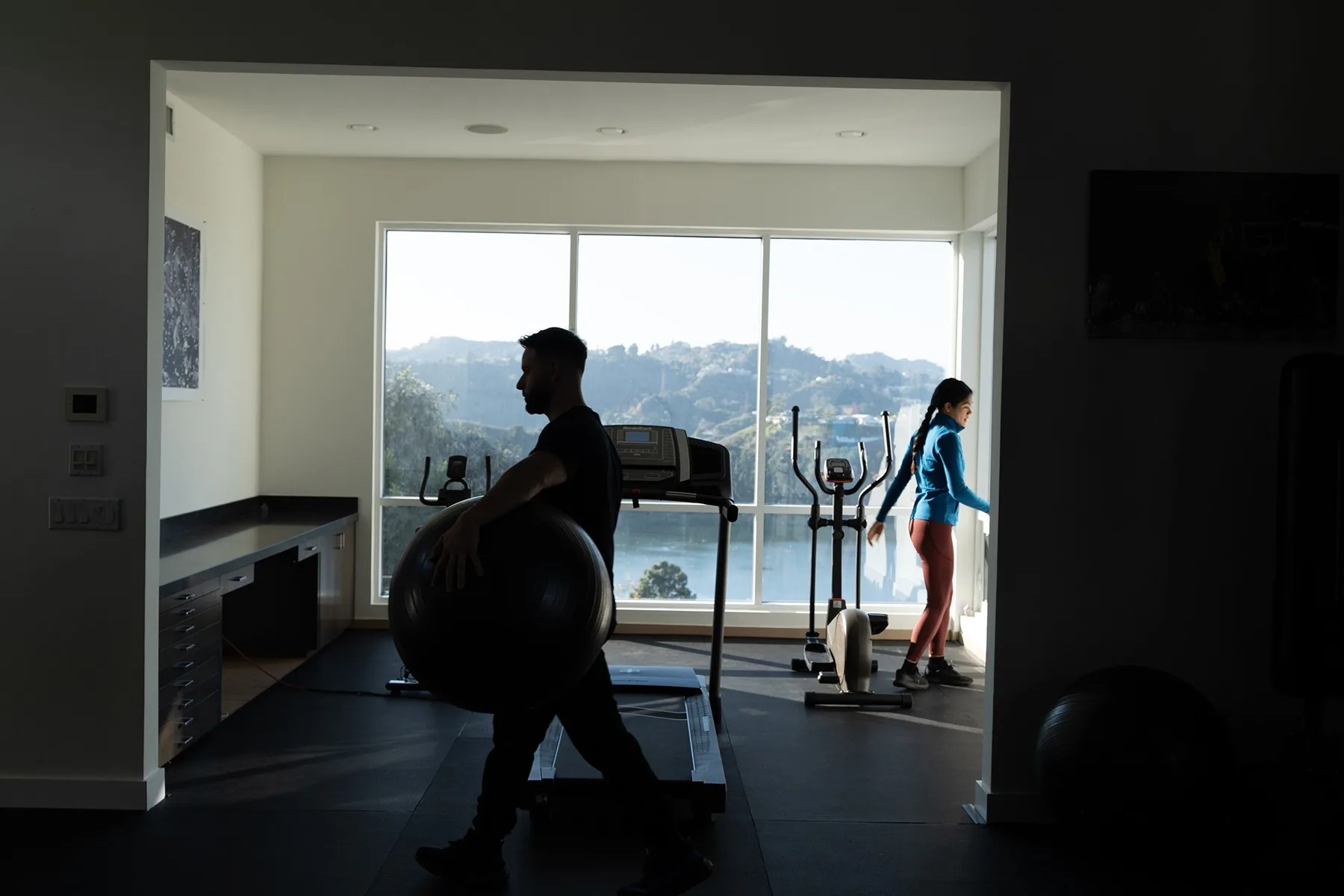
The properties are residential rather than institutional. Clients live in private suites in settings that were designed as homes. The therapeutic benefit of this is not aesthetic — it is that clients are not practicing recovery in a setting that bears no resemblance to any environment they will inhabit after discharge.
Medical Detox: What We Manage and How
Medically supervised detox is offered on-site, in the residential setting rather than a separate medical facility. Our medical director — Dr. Jayson Hymes, board-certified in addiction medicine and a Fellow of the American Society of Addiction Medicine — oversees all detox protocols. Nursing staff are present 24 hours.
We manage withdrawal from alcohol (including complex, seizure-risk presentations), opioids, benzodiazepines, stimulants, and polysubstance combinations. For alcohol withdrawal, we use CIWA-Ar monitoring with pharmacological support as indicated. For opioid withdrawal, we offer medication-assisted treatment including buprenorphine induction where clinically appropriate.
Clinical exclusion criteria for detox: clients requiring acute medical care beyond what can be managed in a residential setting (hospital-level medical monitoring, IV fluids only, cardiac monitoring for arrhythmia) will need stabilization in an acute care setting before transfer to Bliss. We coordinate those transfers directly.
Residential Treatment: The Clinical Day
Following stabilization from detox — typically 5 to 10 days for alcohol and benzodiazepine presentations, shorter for opioids and stimulants — clients transition to residential treatment within the same property. There is no gap, no transport, no change in clinical team.
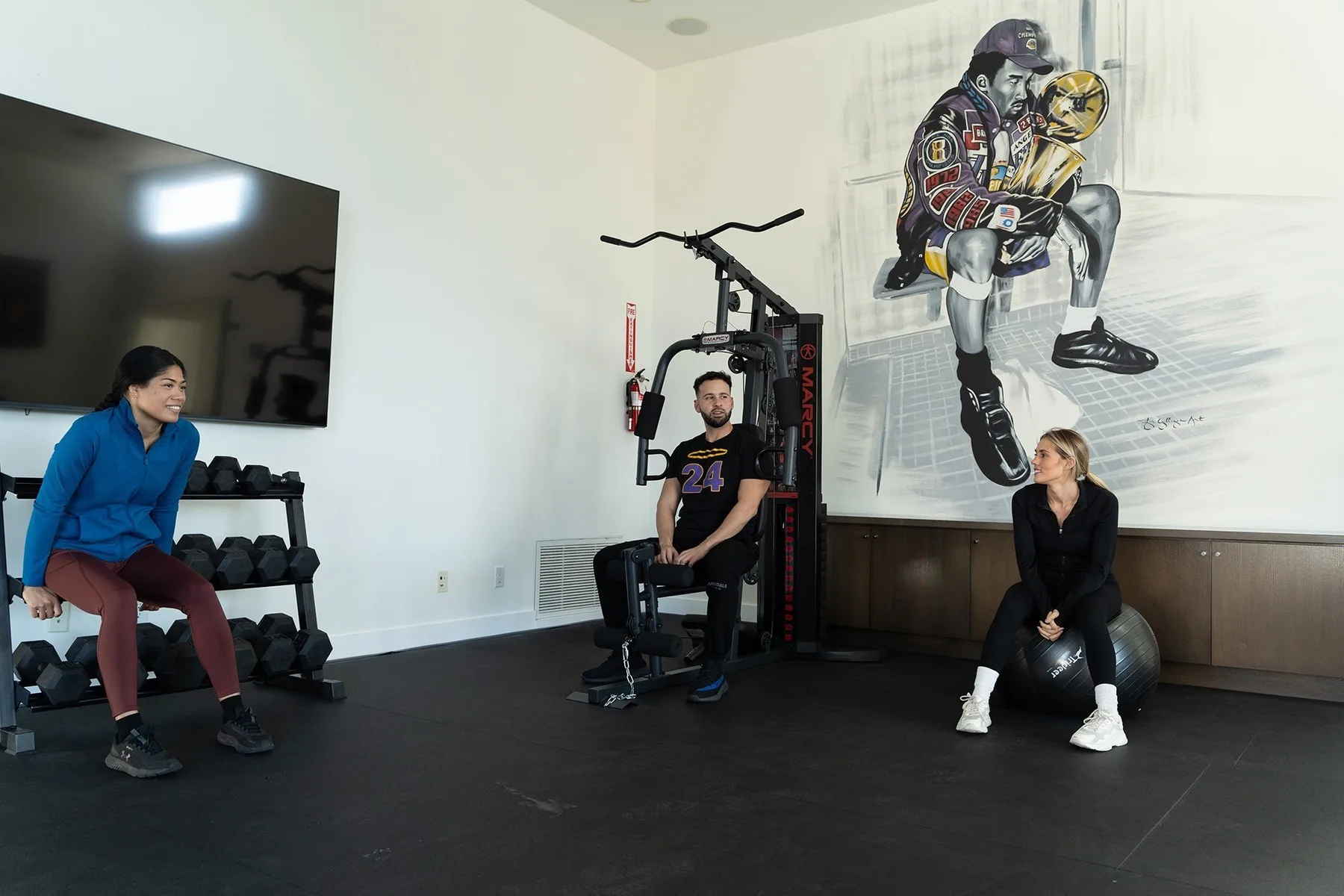
Residential programming runs Monday through Sunday with a structured daily schedule. Each day includes individual therapy (minimum three sessions per week), group therapy (morning and afternoon), psychiatric contact at clinically determined frequency, physical activity and wellness programming, structured meals with nutritional support, and evening community time. The schedule is individualized based on each client's clinical status and presenting issues.
Individual therapy modalities offered include CBT, DBT skills training, motivational interviewing, EMDR, Brainspotting, somatic approaches, and psychodynamic work, depending on the client's presentation and therapist training. Family programming is incorporated at the therapist's clinical discretion, typically beginning in week two.
PHP and IOP: Structured Step-Down
The transition from residential to PHP and IOP is a clinical decision made collaboratively between the client and the treatment team, based on progress toward treatment goals, stability of housing and social support, and readiness for increased independence. It is not determined by a fixed timeline.
PHP programming runs five days per week, approximately six hours per day, and includes individual therapy, group programming, psychiatric contact, and case management. IOP runs two to three times per week at three hours per day. Both levels of care can be delivered in-person at our outpatient clinic or, where clinically appropriate, via telehealth for clients who have returned to their home state.
The clinical team — specifically the client's primary therapist and psychiatrist — remains consistent from residential through PHP and IOP. This continuity is one of the most clinically significant features of our model. The therapeutic alliance built during residential treatment does not dissolve at the step-down. The work continues with the same providers.
Aftercare and Alumni: 12 Months and Beyond
Aftercare planning begins on the first day of residential treatment, not the last. By discharge, every client has a specific plan that includes: outpatient treatment provider, psychiatric follow-up, support group engagement, sober housing if indicated, and a 90-day check-in with our clinical team.
Our alumni program includes weekly clinical check-in calls for the first 90 days post-discharge, monthly group programming in Los Angeles and virtually, and a peer network of alumni who are willing to be connected with new clients. Alumni who re-engage with substance use are encouraged to reach out directly — and are not treated as failures in our clinical model.
Referring clinicians who want ongoing communication about a client's status can arrange this through a signed release. We are available for clinical consultation at the 90-day and 12-month post-discharge marks.
How to Make a Referral
Referrals can be initiated through our admissions line at (323) 798-4411, available 24 hours, or through a direct email to our admissions team. For complex clinical situations, we recommend a pre-admission consultation call between the referring clinician and our clinical director.
Information that expedites the intake process: most recent clinical assessment or psychiatric evaluation, medication list, prior treatment history (discharge summaries from prior programs if available), and insurance information. We will handle benefits verification directly once we have the client's insurance information.
We do not require a formal referral process. Families and clients can self-refer at any time. For clinicians managing a client's transition into residential treatment, direct clinical communication is available and welcomed. Our clinical director's contact information is available through our admissions team.
Questions, answered
What insurances do you accept?
We are in-network with several major PPO plans and accept most out-of-network PPO benefits. We work with Aetna, Anthem, Blue Cross Blue Shield, Cigna, United Healthcare, and others. For specific in-network status, we verify benefits directly for each client. Government-funded Medicaid or Medi-Cal plans are not accepted at this time.
What are your clinical exclusion criteria?
We are not equipped to treat: clients requiring acute inpatient psychiatric hospitalization (active psychosis with safety concerns, active suicidal ideation with plan and access); clients with primary eating disorders as the presenting condition; clients with medical acuity requiring hospital-level monitoring. For borderline presentations, we encourage a pre-admission clinical consultation.
How do you handle client transfers during treatment?
If a client requires a higher level of medical or psychiatric care during their stay, we manage the transfer coordination directly and maintain clinical communication with the receiving facility. When the client is ready to return, they are re-admitted to our program. The therapeutic relationship is maintained through the interruption.
Does Bliss Recovery offer treatment for this?
Bliss Recovery provides personalized, evidence-based care in a private Hollywood Hills setting, with a full continuum from medical detox through residential treatment and PHP/IOP. Our admissions team can help you find the right level of care.
How do I get started or verify my coverage?
You can verify your insurance confidentially with no obligation, or reach our admissions team directly. We will walk you through the next steps and help you understand your options.