.svg)
.svg)
.svg)
.svg)

Key takeaways
- 1
Choosing a residential treatment center is a major decision that shapes the success of recovery, so it is worth taking the time to evaluate carefully.
- 2
Accreditation and licensing are baseline trust signals that a program meets recognized standards of care.
- 3
The right clinical fit matters most, including dual diagnosis support if mental health is part of the picture.
- 4
Environment, privacy, and comfort can meaningfully affect how well someone engages in treatment.
- 5
Strong aftercare planning is what helps recovery hold once the residential stay ends.
Start With Accreditation and Licensing
Before anything else, confirm that a center is properly licensed and accredited. Accreditation from recognized bodies signals that a program has met established standards for quality, safety, and person-centered care. Licensing confirms the facility is operating legally and is held to regulatory oversight. These are baseline trust signals, and any reputable center will be transparent about them.
Look for the Right Clinical Fit
The most important question is whether a center can actually treat what you are dealing with. Look at the levels of care offered, detox, residential, and step-down programs like PHP and IOP, and whether they match your needs. If mental health is part of the picture, dual diagnosis care is essential; treating addiction without addressing co-occurring conditions like anxiety, depression, or trauma often falls short. Ask how treatment plans are built, and look for individualized, evidence-based care rather than a one-size-fits-all program.
Consider the Environment and Privacy
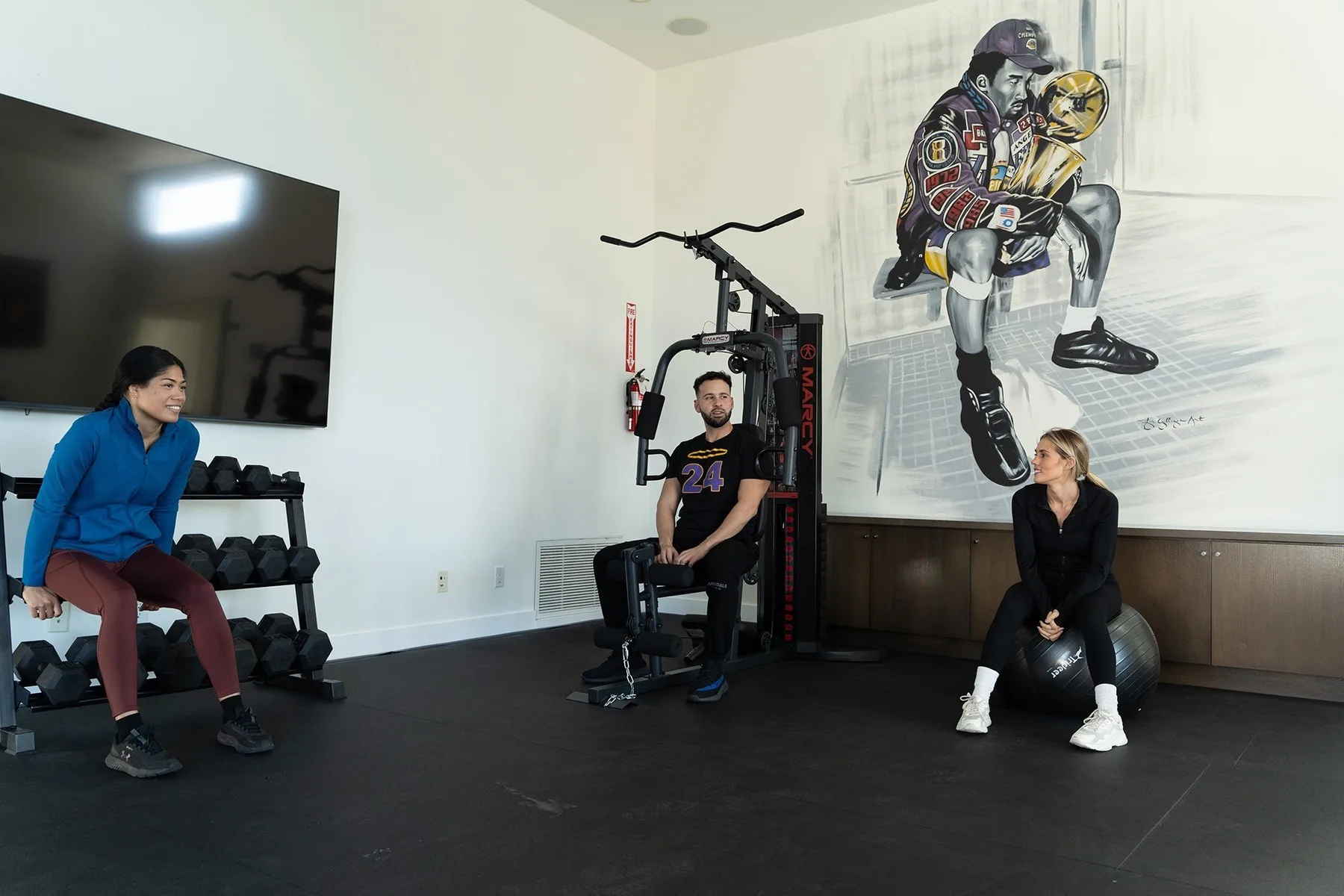
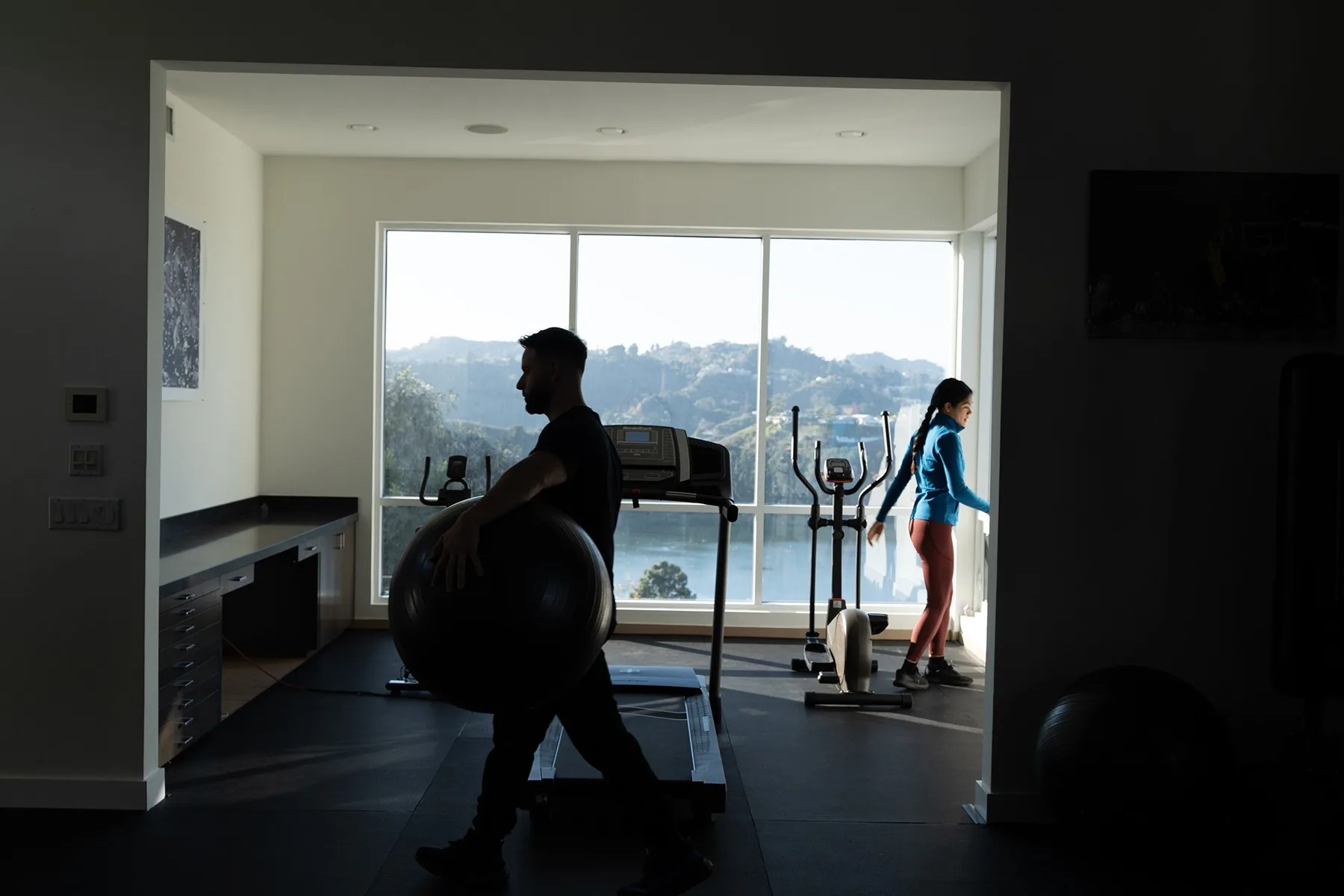
The setting itself plays a real role in recovery. A calm, comfortable, and private environment helps reduce stress and makes it easier to focus inward on the work of healing. For some people, especially those with demanding careers or a need for discretion, privacy and comfort are not luxuries but practical necessities for engaging fully in treatment. Consider the staff-to-client ratio too, since smaller, more personal settings tend to allow for more one-on-one attention.
Ask About Aftercare and Continued Support
Recovery does not end when the residential stay does. Strong aftercare planning, continued therapy, support groups, sober living options, and relapse prevention resources, is often what determines whether progress holds over the long term. Ask how a center supports the transition back into everyday life, and whether care moves smoothly from one level to the next.
Trust Your Instincts and Ask Questions
Finally, pay attention to how a center makes you feel. Ask questions, seek clarification, and notice whether you are treated with respect and honesty. A good program welcomes your questions and answers them clearly. Your comfort and confidence in the center you choose are a meaningful part of the recovery experience, so trust your judgment as you weigh the options.
Questions, answered
What should I know about tips for choosing the right residential treatment center?
Choosing a residential treatment center is a major decision that shapes the success of recovery, so it is worth taking the time to evaluate carefully.
Does Bliss Recovery offer treatment for this?
Bliss Recovery provides personalized, evidence-based care in a private Hollywood Hills setting, with a full continuum from medical detox through residential treatment and PHP/IOP. Our admissions team can help you find the right level of care.
How do I get started or verify my coverage?
You can verify your insurance confidentially with no obligation, or reach our admissions team directly. We will walk you through the next steps and help you understand your options.