.svg)
.svg)
.svg)
.svg)
Change in Appearance
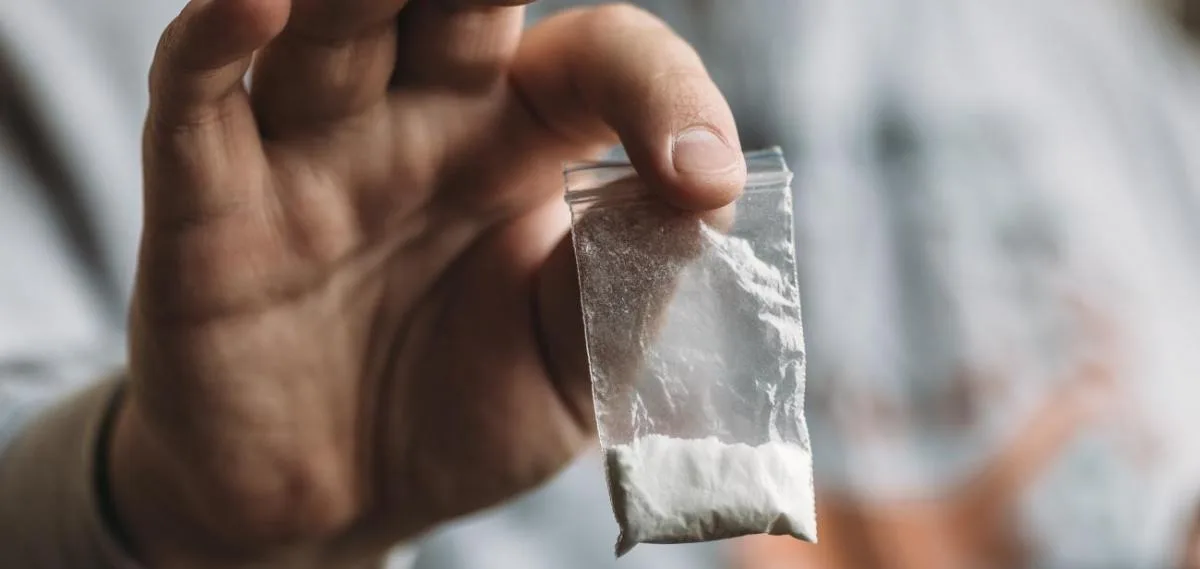
Frequent cocaine use or addiction leads to the loss of grey matter in the body, accelerating the aging process. Individuals may age more rapidly than those abstaining from substances. Additionally, signs such as decreased appetite, weight loss, pale and clammy skin, and dilated pupils indicate unhealthy substance use. Cocaine use in the form of injections can result in acne breakouts and scars that do not heal properly. Snorting cocaine can damage the sense of smell, cause frequent nosebleeds, and eventually lead to cartilage damage in the nose. Similar to stress, cocaine use can lead to hair loss, as it interferes with the absorption of essential nutrients.
Behavioral Changes
Experiencing extreme joy without cause may seem unusual. However, if it persists, friends and family should be more aware of the situation. Cocaine induces intense euphoria and hyperactivity, making it difficult for users to remain still. Once addicted, individuals find it challenging to stop, sometimes experiencing sensations of bugs crawling under their skin, leading to incessant scratching and abnormal behavior. The surge in happiness also results in intense mood swings, oscillating between happiness and irritability. It is crucial not to blame, but to seek help for loved ones. Cocaine addiction often leads to intense cravings and an inability to control one mind and body, manifesting in drug-seeking behavior.
Health Complications
Cocaine poses long-term health risks, including heart damage, a heightened risk of heart attacks, cardiovascular complications, chronic diseases, lung damage, and breathing difficulties. Overdosing on cocaine can lead to neurological issues such as memory loss, poor focus, impaired decision-making, and diminished motor function. Strokes, seizures, and brain hemorrhages are also possible. Cocaine directly affects a person psychological and social capabilities, leading to habituation. While initially pleasurable, cocaine eventually damages health and abilities irreversibly, often necessitating rehab.
Psychological Changes
A significant portion of cocaine users develop psychotic symptoms like hallucinations, delusions, and paranoia, affecting cognitive function and family dynamics. Hair plucking, skin scratching, and aggression are common symptoms. As cocaine takes its toll on the mind and health, individuals may undergo a complete personality transformation, struggling to comprehend their experiences. Some develop severe sleep or eating disorders and struggle to perform daily activities.

Emotional Instability
Cocaine interferes with the brain reward system, triggering elevated dopamine levels and feelings of happiness. However, once addicted, individuals find it hard to revert to normalcy. Frequent mood swings, anxiety, depression, and altered personalities indicate unhealthy lifestyles. Individuals often use cocaine to manage emotions, unaware of its manipulative effects on their feelings.
Seeking Help
If someone you know exhibits signs of substance addiction, offer assistance. Rehab centers like Bliss Recovery provide comprehensive treatment and emotional support. Everyone deserves a fulfilling life; reach out for more information.
Questions, answered
What should I know about top 5 signs of cocaine addiction?
Initially, cocaine stimulates the nervous system, inducing heightened focus, attention, and energy.
Does Bliss Recovery offer treatment for this?
Bliss Recovery provides personalized, evidence-based care in a private Hollywood Hills setting, with a full continuum from medical detox through residential treatment and PHP/IOP. Our admissions team can help you find the right level of care.
How do I get started or verify my coverage?
You can verify your insurance confidentially with no obligation, or reach our admissions team directly. We will walk you through the next steps and help you understand your options.