.svg)
.svg)
.svg)
.svg)
Key takeaways
- 1
Luxury rehab centers share evidence-based clinical foundations with standard programs — the differentiators are environment, ratio, individualization, and privacy.
- 2
High staff-to-client ratios mean more one-on-one clinical time and faster response to individual needs.
- 3
Privacy and discretion are clinical features, not just lifestyle preferences — they determine whether some people can participate in treatment honestly.
- 4
Personalized treatment plans reflect a specific person's history, substances, mental health, and goals rather than a standardized curriculum.
- 5
Aftercare investment distinguishes programs that produce lasting outcomes from those that treat discharge as the endpoint.
What Is a Luxury Rehab Center?
A luxury rehab center is an addiction treatment facility that integrates comprehensive, evidence-based clinical care with a residential environment designed around privacy, comfort, and individualized service. Unlike institutional or clinical settings, luxury programs typically operate out of private residences or estate-style facilities where the environment itself is part of the therapeutic design. The core clinical services — medically supervised detox, individual and group therapy, psychiatric care, dual diagnosis treatment, and aftercare planning — are identical in structure to what any quality program offers. What differs is how those services are delivered, in what ratio, and in what setting.
What Does High-End Accommodation Actually Contribute to Recovery?
The relationship between environment and therapeutic engagement is well documented. Recovery requires sustained emotional openness, willingness to be vulnerable in therapy, and consistent participation in a demanding process. All of this is harder when the physical environment produces stress, discomfort, or a clinical atmosphere that feels alienating.
What do luxury accommodations typically include?
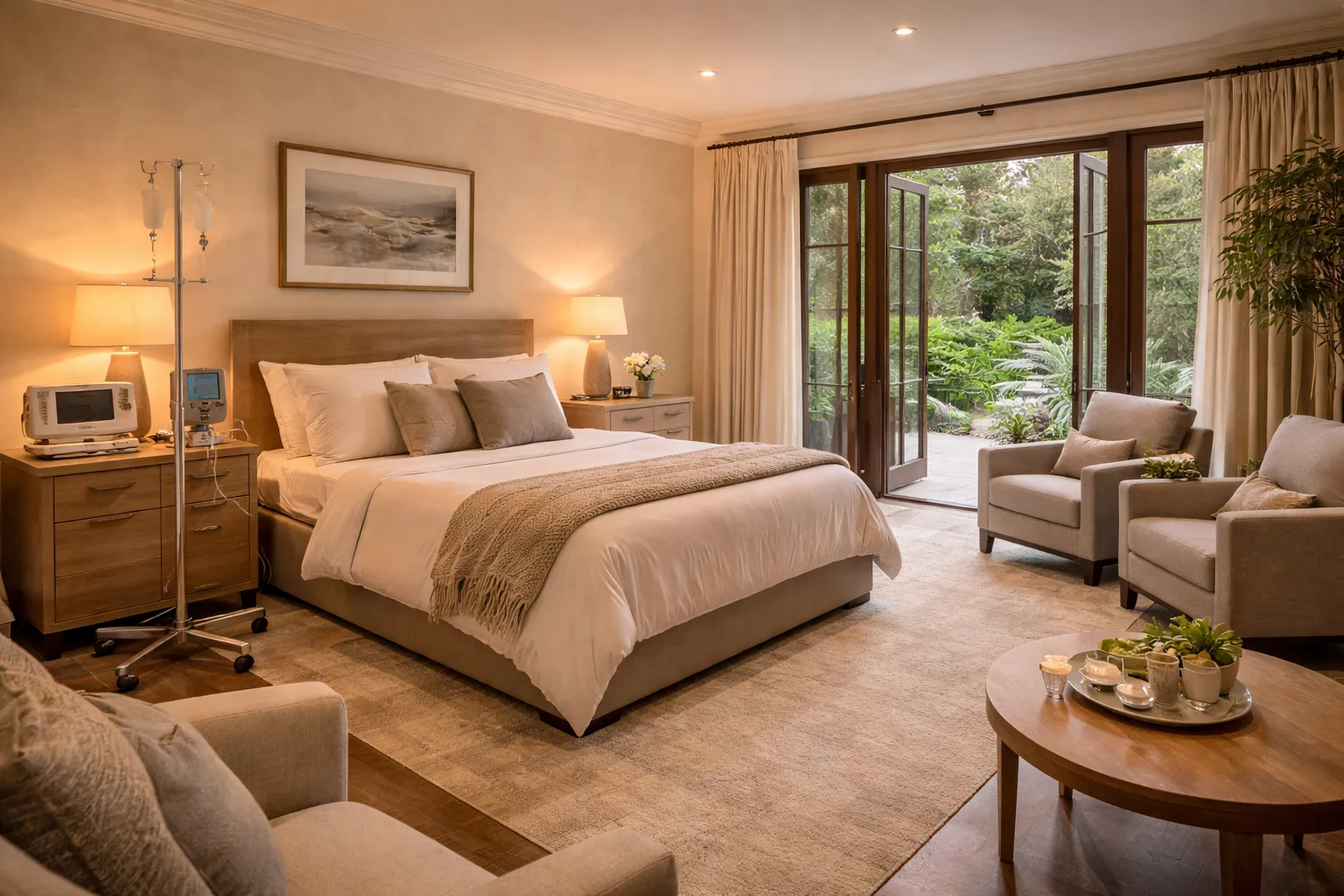
Private suites with high-quality furnishings, natural light, and views — not shared rooms in a clinical building. On-site culinary service with gourmet, nutritionally considered meals tailored to individual dietary needs. Outdoor spaces including gardens, pools, and areas for reflection. High-quality toiletries, comfortable common spaces, and an environment that communicates dignity rather than deprivation. These are not indulgences layered on top of treatment. They are environmental conditions that support the clinical work by reducing ambient stress and creating a space where people can focus entirely on recovery.
How Does Personalized Treatment Differ in Luxury Programs?
Standard programs typically run cohorts of clients through shared schedules, group programming, and treatment protocols that apply broadly. Luxury programs with smaller client populations can build each treatment plan from scratch: accounting for specific substances and use history, co-occurring mental health conditions, prior treatment history, lifestyle factors, and individual goals.
What does a personalized plan actually change?
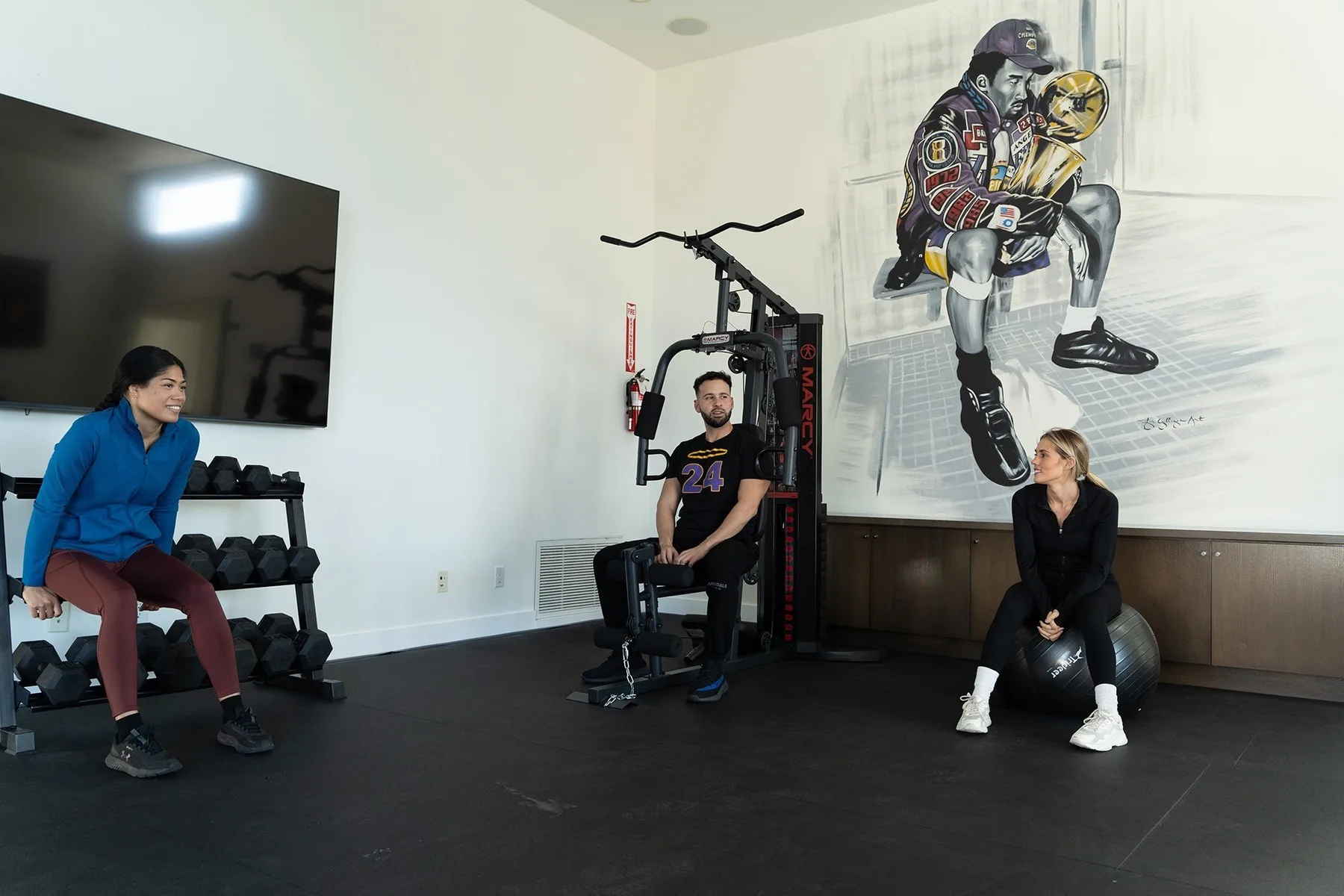
More individual therapy sessions, sometimes daily. Therapeutic modalities selected based on what fits the person rather than what the program defaults to. Detox protocols calibrated to the specific individual's medical needs. Psychiatric care coordinated around that person's history and current presentation. Flexibility to adjust as treatment progresses. This level of individualization is simply not achievable at large population ratios.
Why Is Privacy a Clinical Feature Rather Than a Lifestyle Preference?
For a significant portion of people who would benefit from residential treatment — professionals, executives, public figures, and anyone for whom being seen entering treatment would carry professional or social consequences — the fear of exposure is a genuine barrier to engagement. When that fear is present, it competes directly with the ability to participate honestly in therapy. Programs that eliminate that concern through secluded locations, small client populations, strict confidentiality policies, and discreet arrival and departure processes remove a clinical barrier that would otherwise undermine the work. Privacy in this context is not about status. It is about access to honest participation in treatment.
What Advanced Therapeutic Approaches Do Luxury Programs Use?
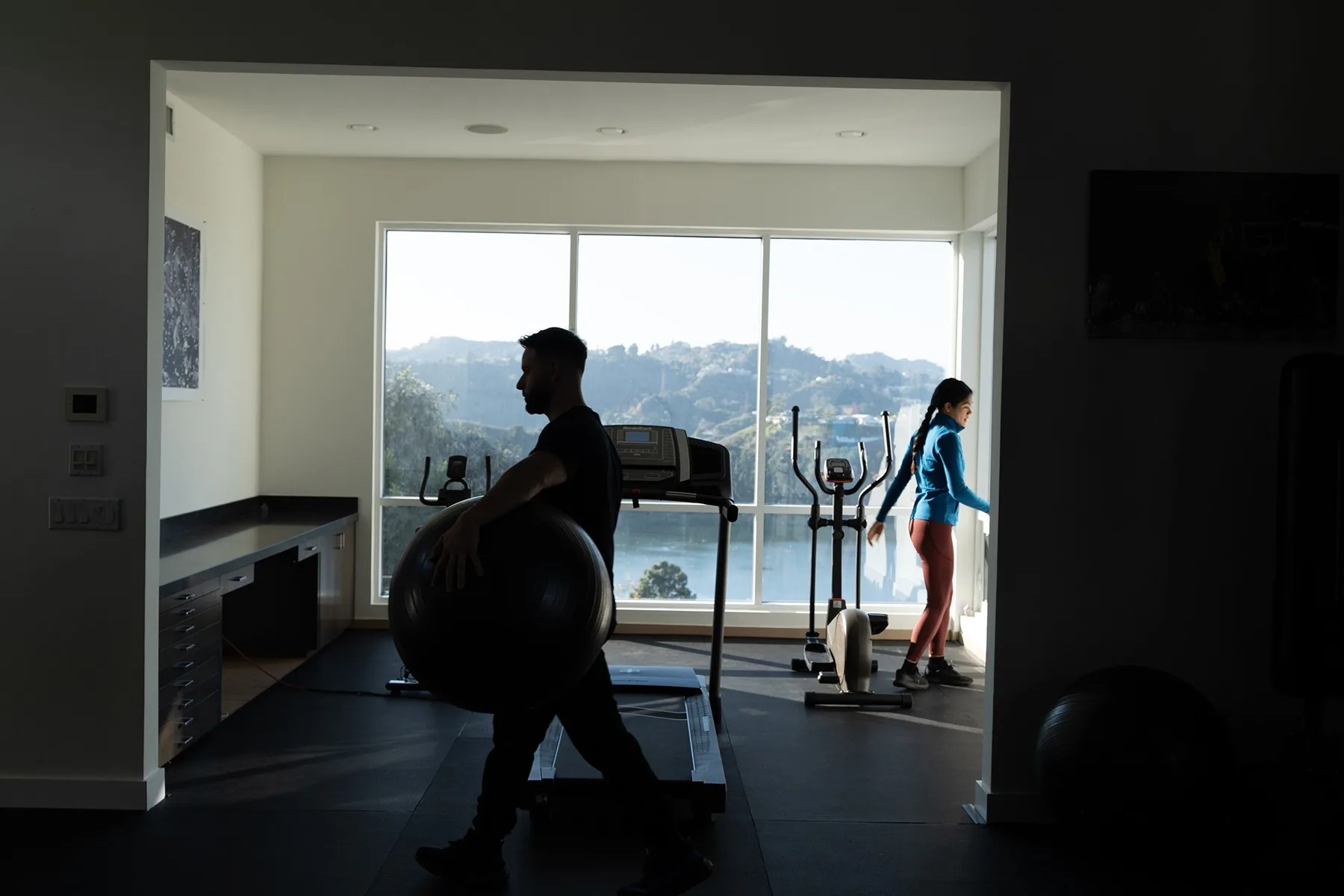
The clinical toolkit in high-end programs typically includes: Cognitive-Behavioral Therapy (CBT) and Dialectical Behavior Therapy (DBT) as evidence-based foundations; trauma-informed approaches including EMDR for clients with PTSD or significant trauma histories; integrated dual diagnosis treatment for co-occurring mental health conditions; holistic and complementary modalities including mindfulness, somatic therapies, nutrition therapy, and movement-based approaches — used to support the clinical work, not replace it; and psychiatric services including medication management when clinically appropriate.
Questions, answered
Is luxury rehab clinically different or just nicer?
Both. The environment is genuinely nicer — that is real and it matters clinically. But the clinical differences are also real: higher staff ratios, more individualized programming, more intensive one-on-one therapy, and typically stronger dual diagnosis capacity. The amenities and the clinical quality are not in tension — they are designed to work together.
What misconceptions do people have about luxury rehab?
The most common is that it is primarily a resort experience with some therapy added. Quality luxury programs are serious clinical environments. The comfort is a design choice made to support engagement with rigorous work — not to substitute for it. Another misconception is that luxury rehab is only for the very wealthy. Insurance coverage significantly changes the cost picture for many clients.
How do I verify that a luxury program is clinically legitimate?
Check for: state licensing from the California Department of Health Care Services (DHCS); accreditation from the Joint Commission or CARF; LegitScript certification; credentials of clinical and medical staff; a clear, articulated clinical philosophy; and transparent, verifiable information about the treatment approach and aftercare support. If you want to see what a luxury residential program looks like in practice, tour our locations or verify your insurance to understand what coverage applies to your situation.
Does Bliss Recovery offer treatment for this?
Bliss Recovery provides personalized, evidence-based care in a private Hollywood Hills setting, with a full continuum from medical detox through residential treatment and PHP/IOP. Our admissions team can help you find the right level of care.
How do I get started or verify my coverage?
You can verify your insurance confidentially with no obligation, or reach our admissions team directly. We will walk you through the next steps and help you understand your options.